
Terminator Zero Anime Canceled After 1st Season
Introduction: A Sudden Cancellation That Shocked Fans The announcement that Terminator Zero anime has been canceled after its first season has surprised many students and anime lovers across the UK. While cancellations are not unusual in the entertainment industry, projects connected to globally recognised franchises often carry higher expectations and stronger fan investment. For UK-based anime fans—especially students who followed the series out of curiosity about how a Western sci-fi property would translate into Japanese animation—the news raises important questions. Why was it canceled? What does this mean for cross-cultural adaptations? And how should viewers respond when a promising anime ends prematurely? This article explores the cancellation in depth, offering realistic analysis rather than speculation.
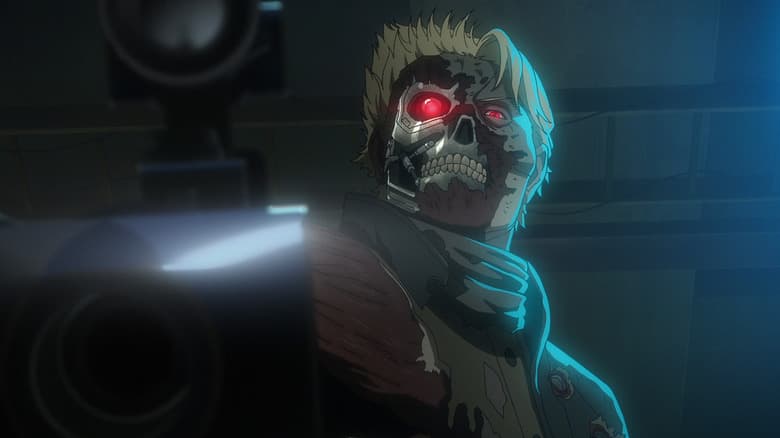
Terminator Zero Anime Cancellation and Industry Context
The cancellation of Terminator Zero anime after one season reflects broader patterns within both the anime industry and global streaming platforms. Despite the strong brand recognition of the Terminator franchise, adaptation success depends on several practical factors beyond name value.
Understanding the Series’ Premise
A Western Franchise in Anime Form
Terminator Zero aimed to reimagine the established sci-fi universe through anime storytelling. This cross-industry approach is increasingly common, as studios attempt to blend:
- Hollywood intellectual properties
- Japanese animation techniques
- Global streaming audiences
For students studying media or film, such adaptations represent fascinating case studies in transnational storytelling.
Why Expectations Were High
The Terminator name carries decades of cultural weight. UK anime lovers were naturally curious to see:
- How the dystopian themes would translate
- Whether anime aesthetics could refresh the franchise
- If new audiences would engage with the concept
High expectations, however, also create high pressure.
Common Reasons Anime Get Canceled
While official reasons may vary, cancellations usually stem from one or more of the following:
1. Streaming Performance Metrics
Modern anime success is often measured by:
- Viewer retention
- Completion rates
- Subscription growth
If performance does not meet projected targets, continuation becomes financially risky.
2. Production Costs vs Return
Sci-fi animation typically requires:
- Complex background design
- Mechanical detailing
- Intensive action choreography
High production costs must be justified by strong engagement.
3. Narrative Reception
Even strong animation cannot compensate if:
- Story pacing feels uneven
- Character development lacks depth
- Audience connection is weak
UK viewers are particularly vocal online, and reception can influence global perception.
Impact on Students and Anime Lovers in the UK
Emotional Investment and Disappointment
Students who followed the series weekly may feel:
- Frustrated by unresolved plotlines
- Hesitant to start new series
- Concerned about franchise reliability
Such reactions are natural when storytelling is interrupted.
A Learning Opportunity for Media Students
For students studying:
- Media production
- Adaptation theory
- Franchise management
The cancellation provides a real-world example of how creative ambition intersects with commercial reality.
The Risk of Adapting Established Franchises
Creative Constraints
Adapting an iconic franchise introduces:
- Canon expectations
- Fan loyalty pressures
- Narrative limitations
Balancing originality with legacy material is difficult.
Audience Fragmentation
Terminator fans and anime fans do not always overlap perfectly. This creates a marketing challenge:
- Sci-fi purists may resist anime stylisation
- Anime-only viewers may lack attachment to the franchise
Bridging these audiences requires careful execution.
Broader Industry Trends
Streaming Era Volatility
In today’s streaming ecosystem:
- Renewal decisions happen quickly
- Data-driven metrics dominate
- Long-term experimentation is rare
Unlike traditional TV eras, shows often do not receive extended time to build momentum.
Anime as Global Strategy
Western IP holders increasingly collaborate with anime studios. While some projects succeed, others highlight the risks of assuming brand recognition guarantees viewership.
Pros and Cons of One-Season Runs
Advantages
- A self-contained viewing experience
- No long-term time commitment
- Opportunity for cult appreciation
Disadvantages
- Unfinished narrative arcs
- Reduced character payoff
- Limited world-building exploration
Understanding both sides allows fans to process the cancellation realistically.
What Students and Anime Lovers Should Do Next
Revisiting the Series Objectively
Instead of focusing solely on cancellation, viewers can:
- Reanalyse themes
- Evaluate adaptation choices
- Discuss strengths and weaknesses
This turns disappointment into constructive reflection.
Supporting Quality Anime Responsibly
Students and anime lovers who want to see more ambitious projects succeed can:
- Watch legally through official platforms
- Engage thoughtfully in discussions
- Avoid toxic negativity
Healthy fandom contributes to healthier production ecosystems.
Frequently Asked Questions
Was the cancellation officially confirmed?
Yes, reports indicate the series will not continue beyond its first season.
Could it return in another format?
While unlikely, reboots or alternative adaptations are always possible in franchise media.
Does this mean anime adaptations of Western IP will stop?
Not necessarily. Studios will continue experimenting, but future projects may be approached more cautiously.
Final Thoughts: A Reminder of Industry Reality
The cancellation of Terminator Zero anime after its first season is disappointing for many students and anime lovers in the UK. However, it also serves as a reminder that creative projects exist within commercial frameworks.
Not every ambitious adaptation will continue, even when tied to major franchises. For fans, the healthiest approach is balanced: appreciate what was created, analyse what worked and what didn’t, and continue supporting thoughtful storytelling wherever it appears.
Sometimes, even short-lived anime leave lasting discussions—and that, in itself, holds value.

Md Tariqul Islam Sakib
Just a passionate otaku who started watching anime during late-night cable and never looked back. I’ve logged hundreds of series, survived filler hell, and developed a dangerously large collection of profile pictures (all anime, obviously).
Hey there! I’m Tariqul, just another anime fan who decided to turn their post-episode thoughts into actual blog posts. I watch everything — from mainstream shonen to obscure slice-of-life. You’ll find seasonal reviews, character deep-dives, and the occasional rant about underrated OSTs.
Fav genres: Psychological thrillers, iyashikei, comedy, and anything that makes me ugly cry.
Least fav: Unearned power-ups and rushed final arcs (you know which ones 👀).
Join me as I chase that post-anime emptiness with more anime. Currently live-blogging my journey through [Your Current Anime].
Comments (0)
No approved comments yet. Be the first to reply!