
Roshidere Season 2 Delayed to 2027
Introduction: A Delay That Sparks Questions and Reflection The announcement that Roshidere Season 2 has been delayed to 2027 has understandably disappointed many anime fans. For students and anime lovers in the UK, production delays can feel frustrating—especially when a first season builds strong emotional momentum and leaves viewers anticipating continuation. However, delays in modern anime production are often more complex than they initially appear. Rather than indicating failure, postponements frequently signal deeper industry considerations such as quality control, scheduling conflicts, or broader production strategy. This article explores what the delay means, why it may have happened, and how UK-based students and anime enthusiasts can approach the situation realistically.
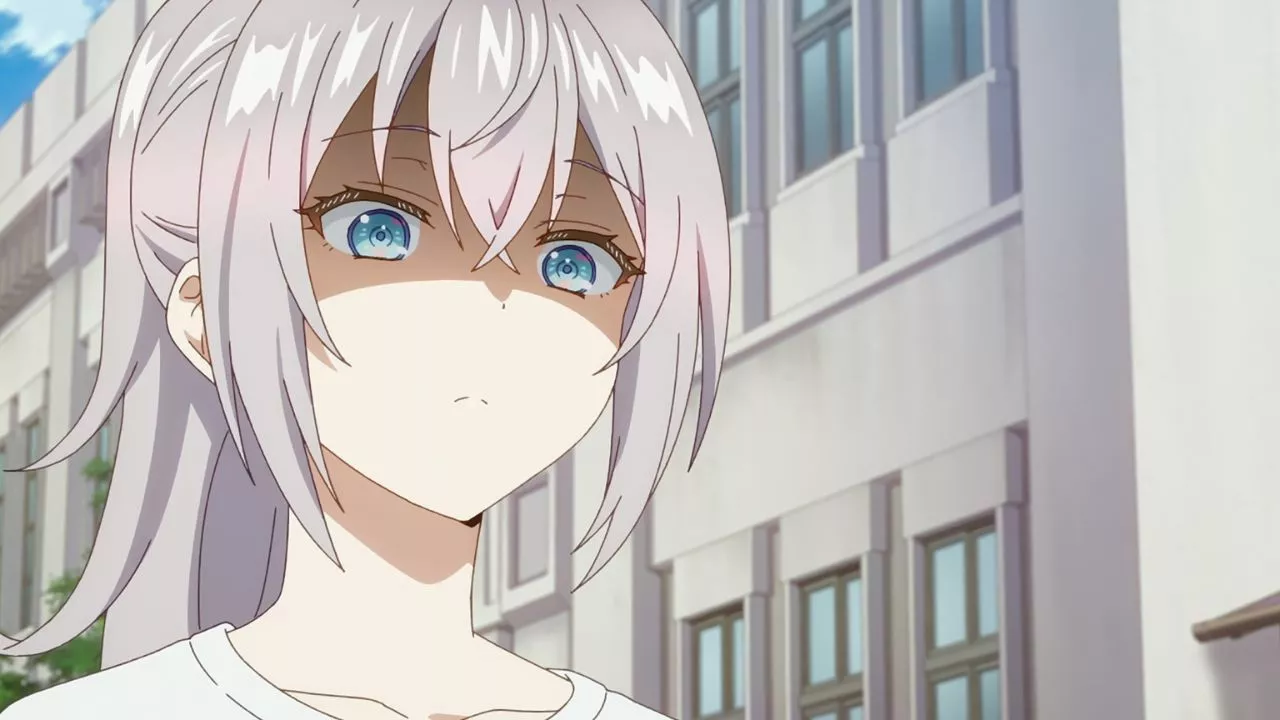
Roshidere Season 2 Delayed to 2027 and Industry Realities
The confirmation that Roshidere Season 2 is delayed to 2027 places the series within a broader pattern of extended anime production timelines. Over the past decade, sequel seasons increasingly require longer development periods due to rising animation standards and global demand.
For UK anime lovers who closely follow seasonal announcements, this delay may feel long—but within industry context, it is not unusual.
Why Anime Seasons Get Delayed
1. Production Scheduling and Studio Capacity
Anime studios today operate under intense pressure. Popular series require:
- High animation consistency
- Detailed background art
- Careful adaptation of source material
If the studio behind Roshidere is balancing multiple projects, prioritising quality may naturally extend timelines.
2. Creative Direction and Script Development
Sequel seasons must:
- Maintain tonal consistency
- Expand character development
- Avoid rushed pacing
Students who study media production will recognise that careful scripting often requires extended pre-production.
3. Global Distribution Planning
With streaming platforms serving international audiences, release windows are often aligned strategically. A 2027 date could reflect coordinated global scheduling rather than simple delay.
Emotional Impact on Students and Anime Lovers
Managing Disappointment
Students who watched Season 1 during term breaks or exam recovery periods may associate it with specific memories. A long wait can feel emotionally frustrating.
However, pacing anticipation realistically prevents burnout and preserves long-term enjoyment.
The Benefit of Time Between Seasons
Extended gaps allow:
- Source material to progress
- Creative teams to refine direction
- Fans to revisit earlier episodes
Anime lovers often rediscover deeper nuances during rewatches.
The UK Perspective: Why This Delay May Not Be Entirely Negative
Academic Life and Viewing Habits
UK students juggle:
- Coursework deadlines
- Part-time employment
- Social commitments
A later release in 2027 may align better with future academic breaks, allowing more relaxed viewing.
Community Rewatch Culture
University anime societies frequently organise:
- Seasonal catch-up events
- Character analysis sessions
- Thematic discussion nights
A delayed sequel creates opportunity for structured revisits.
Production Quality vs Speed: A Necessary Trade-Off
The Risks of Rushed Sequels
When anime sequels are rushed, common issues include:
- Inconsistent animation
- Compressed storytelling
- Narrative shortcuts
Many anime fans have experienced disappointing follow-ups due to tight schedules.
Why Patience Can Improve Outcome
If the delay allows:
- Stronger direction
- Better pacing
- Improved visual consistency
then the long-term benefit may outweigh short-term frustration.
Industry Trends Supporting Longer Timelines
Increasing Animation Standards
Modern audiences expect:
- Cinematic lighting
- Fluid character movement
- High-definition detail
Meeting these expectations requires more production time than in previous decades.
Staff Wellbeing and Ethical Production
Growing awareness around animator workload has influenced scheduling decisions. Ethical production pacing benefits both creators and viewers.
Students studying creative industries often view such delays as responsible rather than negative.
Pros and Cons of the 2027 Delay
Advantages
- Higher potential quality
- Reduced production pressure
- Stronger narrative planning
Drawbacks
- Extended waiting period
- Risk of fading hype
- Audience impatience
Balanced perspective is essential when evaluating the delay.
How Students and Anime Lovers Can Stay Engaged
Revisiting Season 1 Thoughtfully
Rather than rewatching casually, consider:
- Analysing character motivations
- Tracking thematic development
- Observing subtle foreshadowing
This deepens appreciation for the eventual sequel.
Exploring Similar Anime
While waiting for Roshidere Season 2, students can explore:
- Romantic comedy anime with emotional undertones
- Character-driven slice-of-life series
- Relationship-focused narratives
Diversifying viewing prevents over-fixation on a single release.
Frequently Asked Questions
Is the delay a sign of cancellation?
No. A delay differs significantly from cancellation.
Why 2027 specifically?
Likely due to production scheduling, adaptation pacing, or global distribution planning.
Should fans be concerned?
Concern is understandable, but longer development often benefits overall quality.
Final Thoughts: Patience as Part of the Anime Experience
The news that Roshidere Season 2 has been delayed to 2027 may initially feel disappointing for students and anime lovers in the UK. Yet, in today’s anime industry, longer production timelines frequently signal commitment to quality rather than trouble.
For fans who value emotional depth, character development, and visual consistency, waiting may ultimately result in a stronger and more satisfying continuation.
Sometimes, anticipation is part of the journey—and thoughtful patience can make the return even more rewarding.

Md Tariqul Islam Sakib
Just a passionate otaku who started watching anime during late-night cable and never looked back. I’ve logged hundreds of series, survived filler hell, and developed a dangerously large collection of profile pictures (all anime, obviously).
Hey there! I’m Tariqul, just another anime fan who decided to turn their post-episode thoughts into actual blog posts. I watch everything — from mainstream shonen to obscure slice-of-life. You’ll find seasonal reviews, character deep-dives, and the occasional rant about underrated OSTs.
Fav genres: Psychological thrillers, iyashikei, comedy, and anything that makes me ugly cry.
Least fav: Unearned power-ups and rushed final arcs (you know which ones 👀).
Join me as I chase that post-anime emptiness with more anime. Currently live-blogging my journey through [Your Current Anime].
Comments (0)
No approved comments yet. Be the first to reply!