

ENDING_EXPLANATION
demoolo
dfdfdfdfdfdfdf
Read More
August 1, 2026
Discover the latest trends, style guides, and fashion insights
dfdfdfdfdfdfdf

Having watched both Mob Psycho 100 and other psychological anime like Death Note, I can finally give my honest comparison of what makes Mob Psycho 100 stand out. On one hand, its blend of genres is unparalleled. But here's where it gets interesting: its characters' development is what truly sets it apart. The winner in this category is undoubtedly Mob Psycho 100, thanks to its nuanced portrayal of characters like Shigeo 'Mob' Kageyama

The popular anime series BLEACH is back with a new JUMP MV, and it's got everyone hyped! Featuring ASIAN KUNG-FU GENERATION's 'After Dark', this update is a must-see for all anime fans. Get ready to dive back into the world of Ichigo Kurosaki and his friends!

Hakoiri Ojō-sama to Shominna Ore no Yaritai 100 no Koto Has Officially Ended The romantic comedy light novel series Hakoiri Ojō-sama to Shominna Ore no Yaritai 100 no Koto has officially ended, bringing its heartfelt and character-driven journey to a close. For readers across the United Kingdom, particularly students and anime enthusiasts who closely follow Japanese light novels, this conclusion marks an important moment in the evolving rom-com genre. Over the past few years, British interest in light novels has grown significantly. Bookstores in London, Manchester, and Birmingham now dedicate entire shelves to translated Japanese fiction. University anime societies increasingly recommend romance titles alongside mainstream action series. Within this expanding market, this particular story stood out for its gentle humour, relatable character arcs, and structured narrative built around a symbolic list of 100 life goals. This article explores what the series conclusion means for UK readers, how it reflects trends in the British light novel market, and what lessons future romance titles can draw from its storytelling approach.
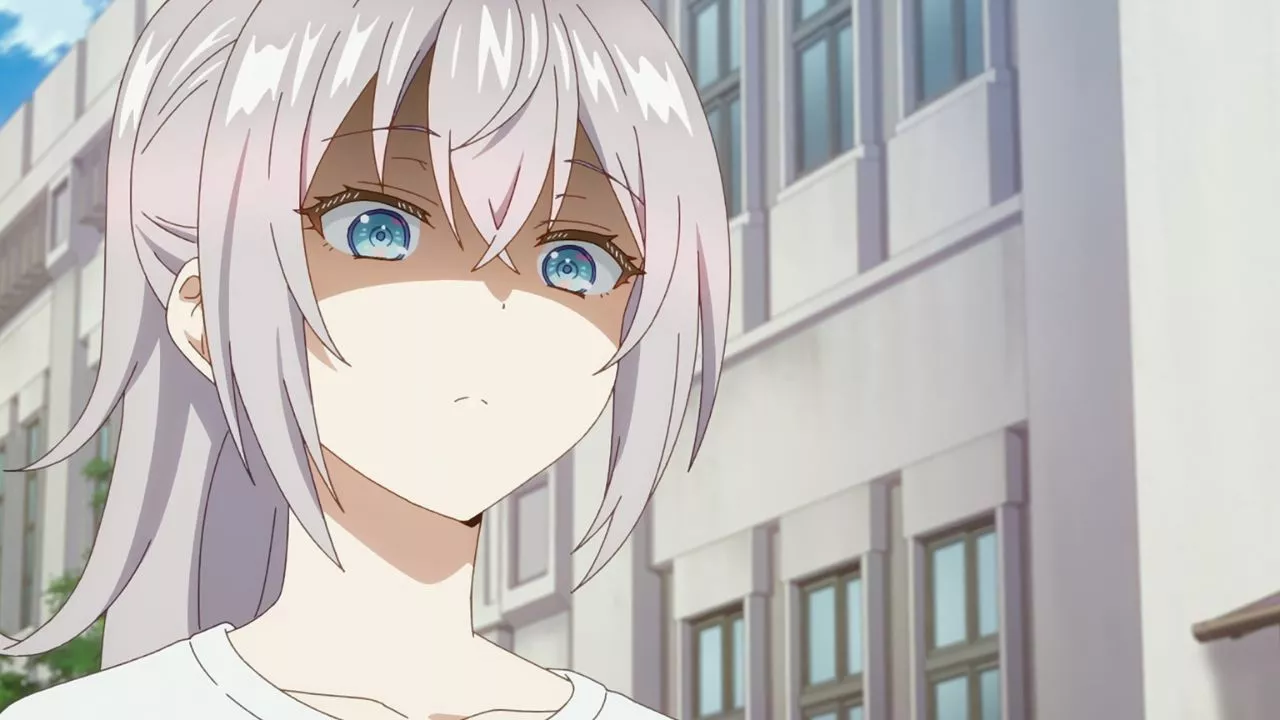
Introduction: A Delay That Sparks Questions and Reflection The announcement that Roshidere Season 2 has been delayed to 2027 has understandably disappointed many anime fans. For students and anime lovers in the UK, production delays can feel frustrating—especially when a first season builds strong emotional momentum and leaves viewers anticipating continuation. However, delays in modern anime production are often more complex than they initially appear. Rather than indicating failure, postponements frequently signal deeper industry considerations such as quality control, scheduling conflicts, or broader production strategy. This article explores what the delay means, why it may have happened, and how UK-based students and anime enthusiasts can approach the situation realistically.
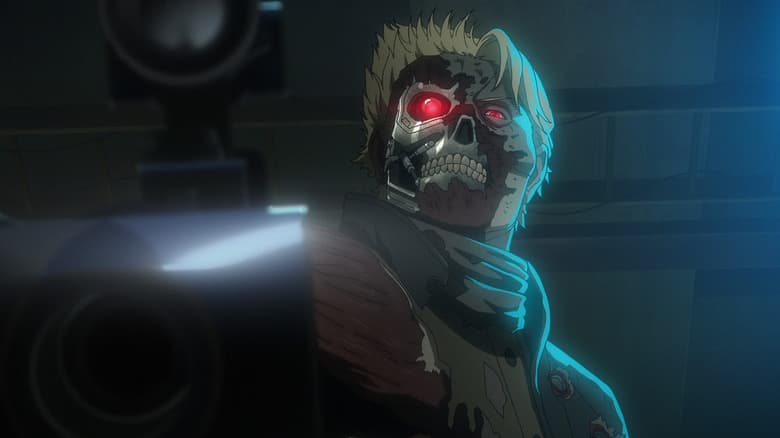
Introduction: A Sudden Cancellation That Shocked Fans The announcement that Terminator Zero anime has been canceled after its first season has surprised many students and anime lovers across the UK. While cancellations are not unusual in the entertainment industry, projects connected to globally recognised franchises often carry higher expectations and stronger fan investment. For UK-based anime fans—especially students who followed the series out of curiosity about how a Western sci-fi property would translate into Japanese animation—the news raises important questions. Why was it canceled? What does this mean for cross-cultural adaptations? And how should viewers respond when a promising anime ends prematurely? This article explores the cancellation in depth, offering realistic analysis rather than speculation.